


Out of Stock
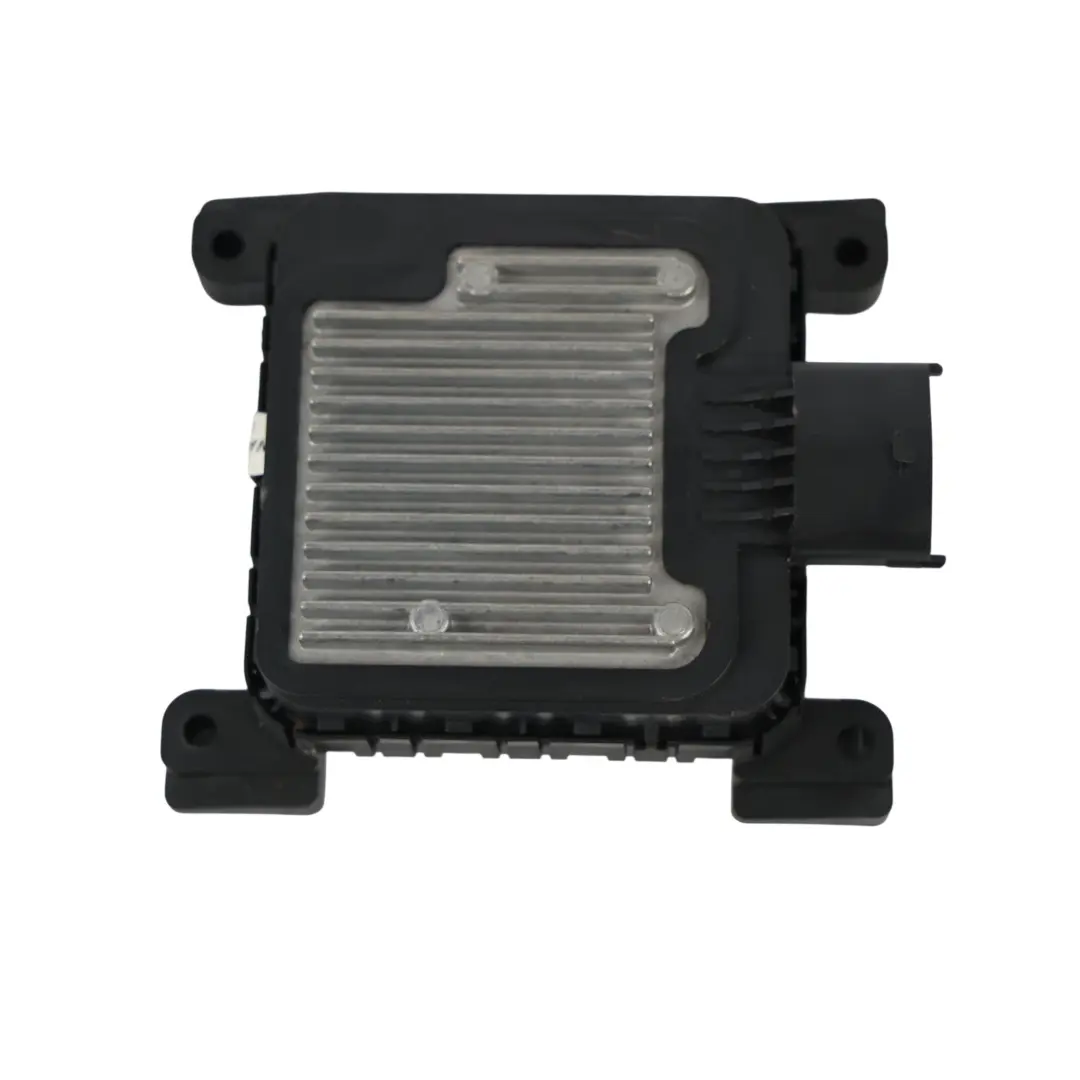
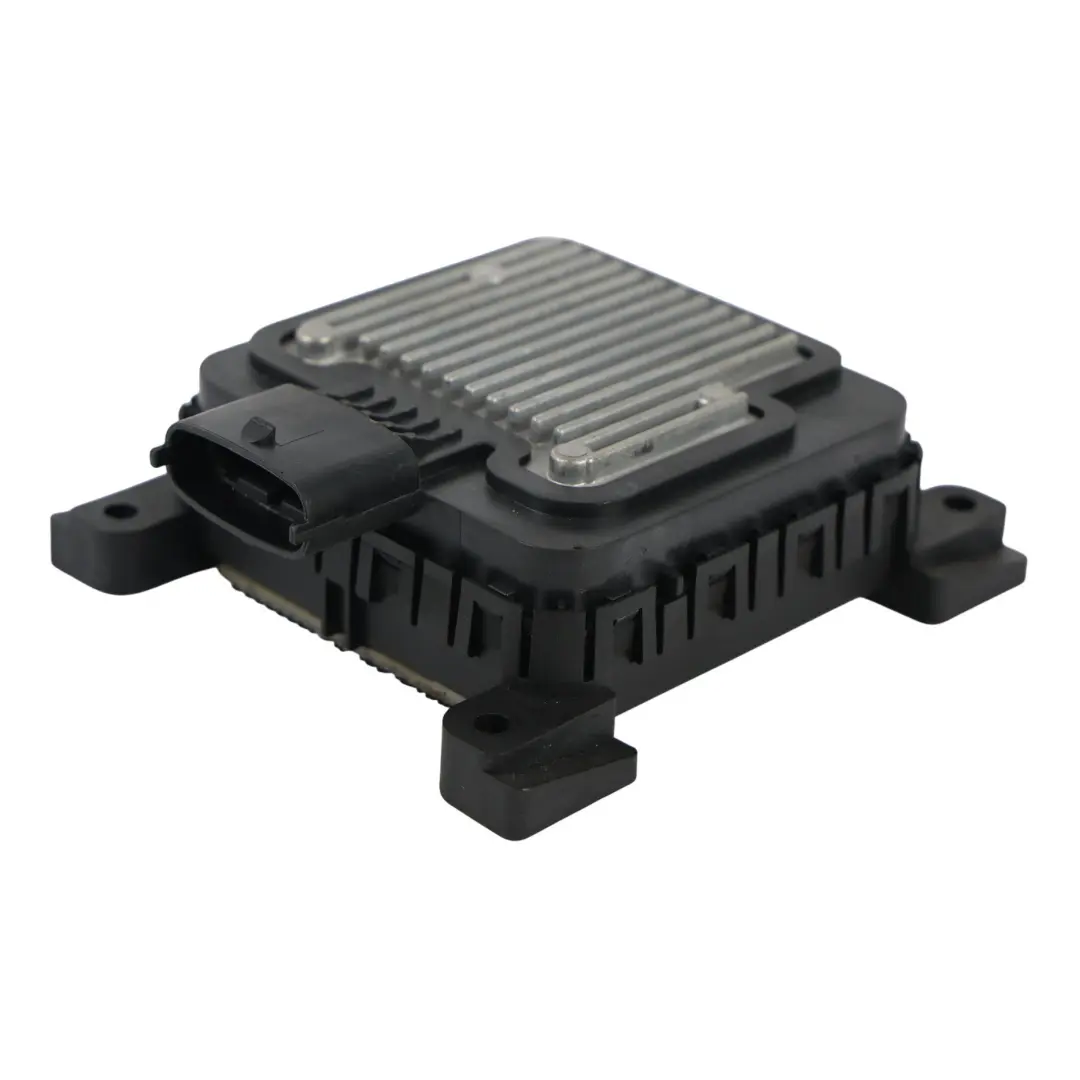
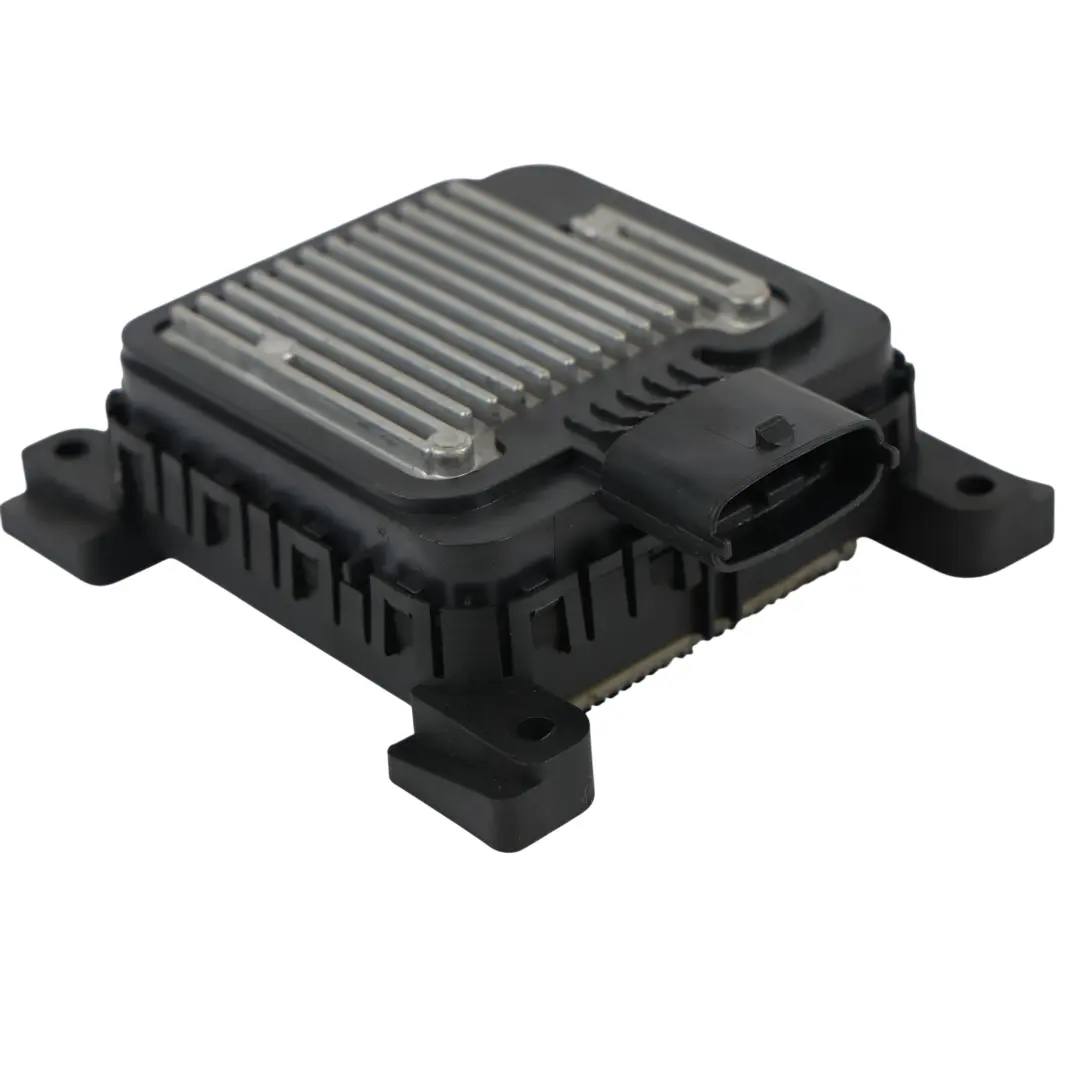
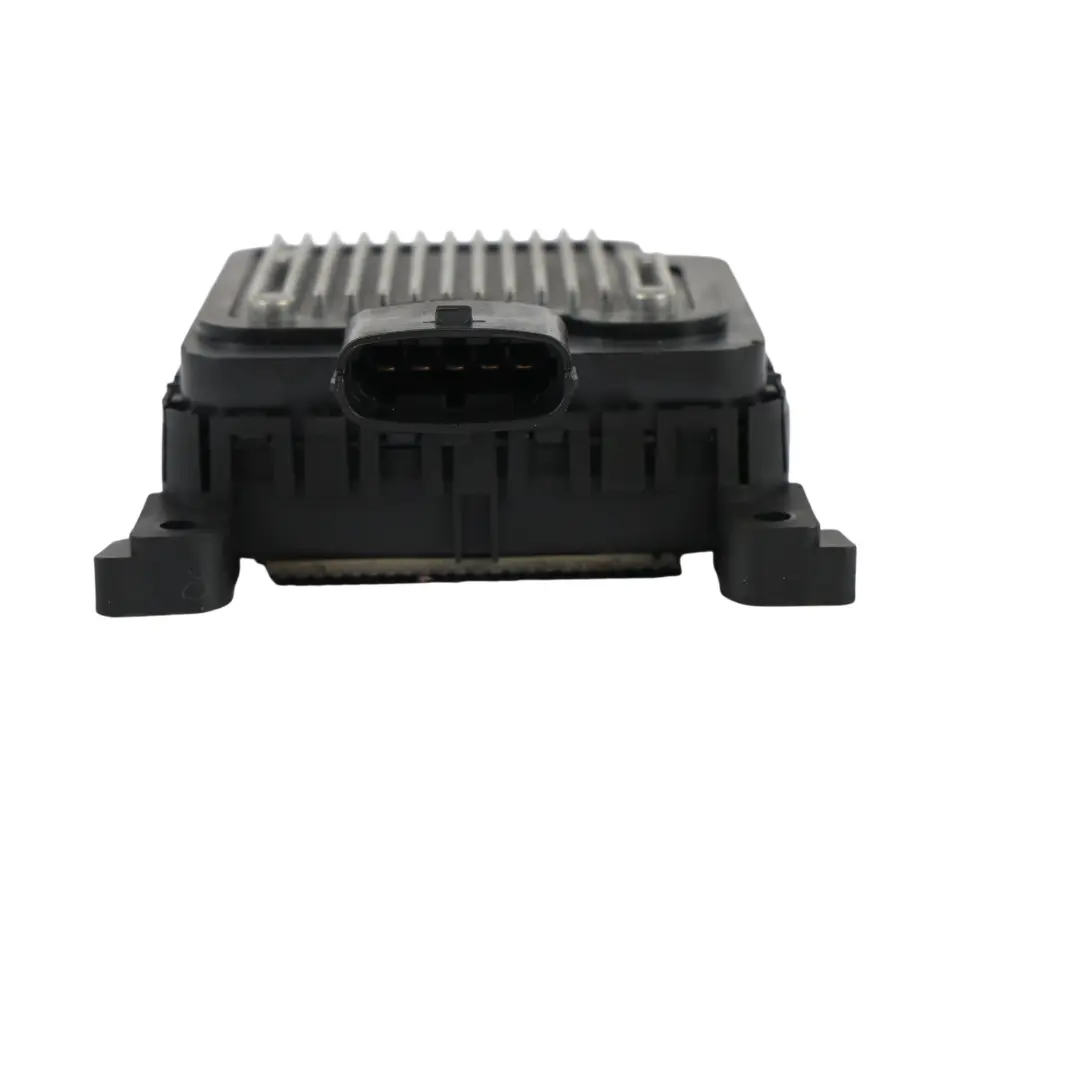
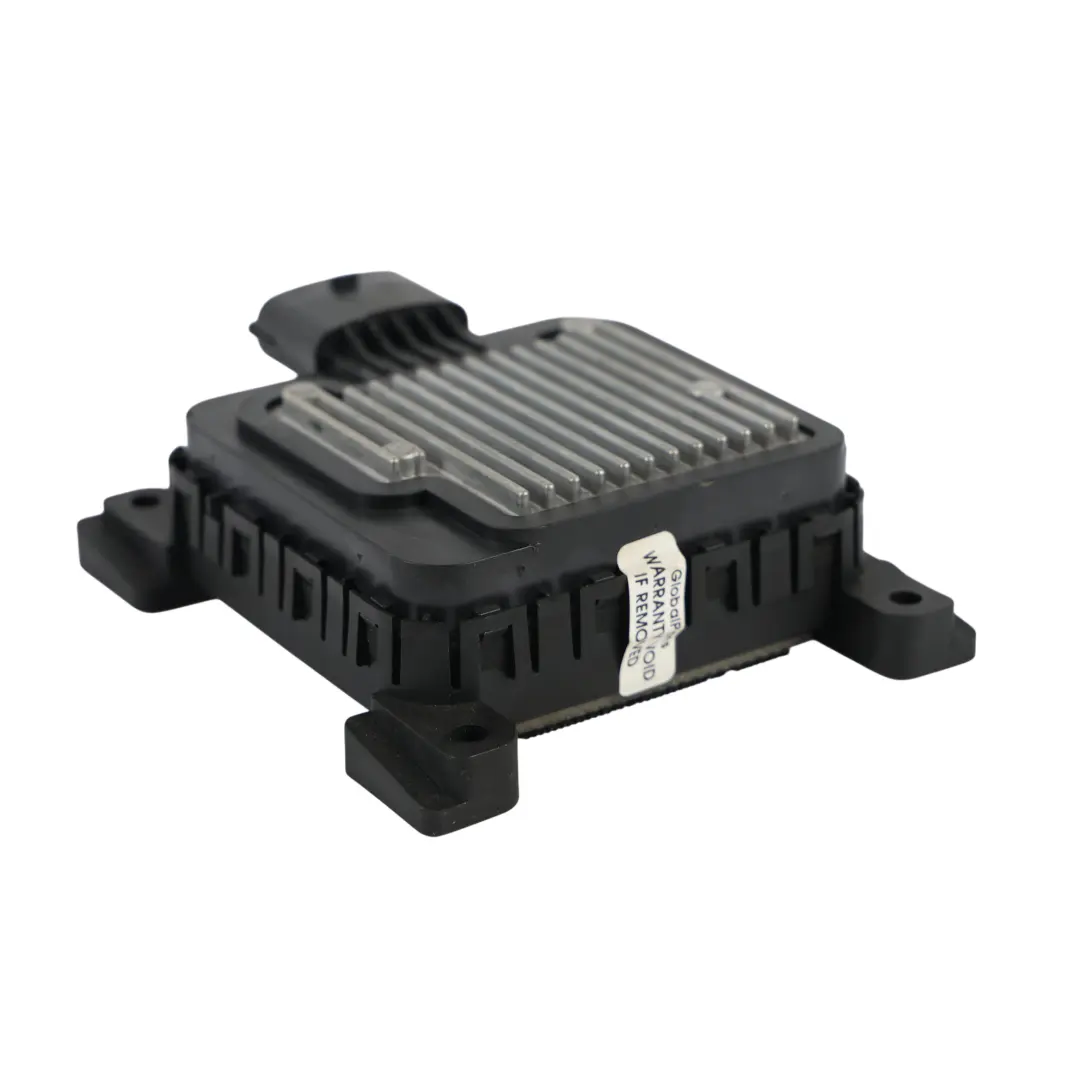
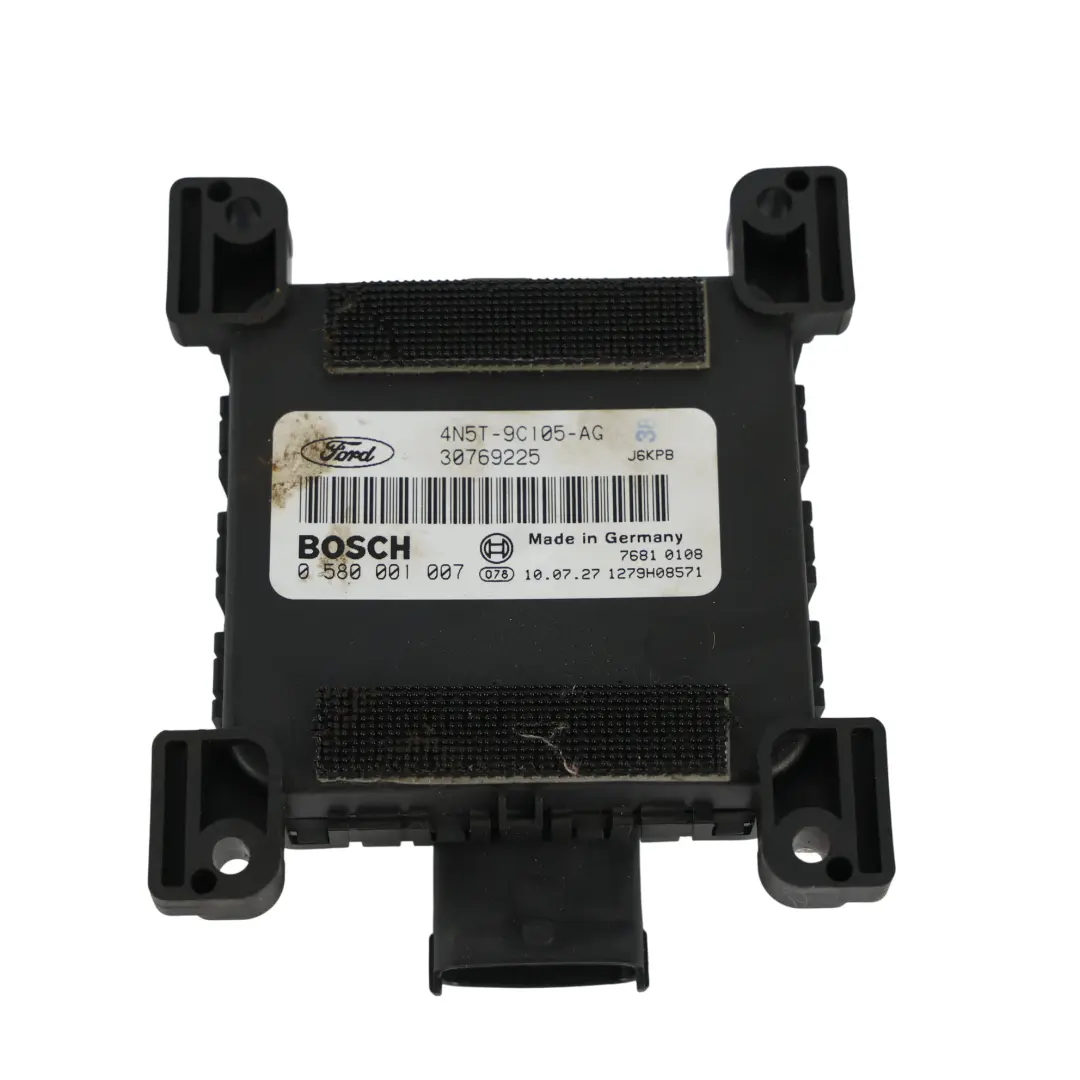
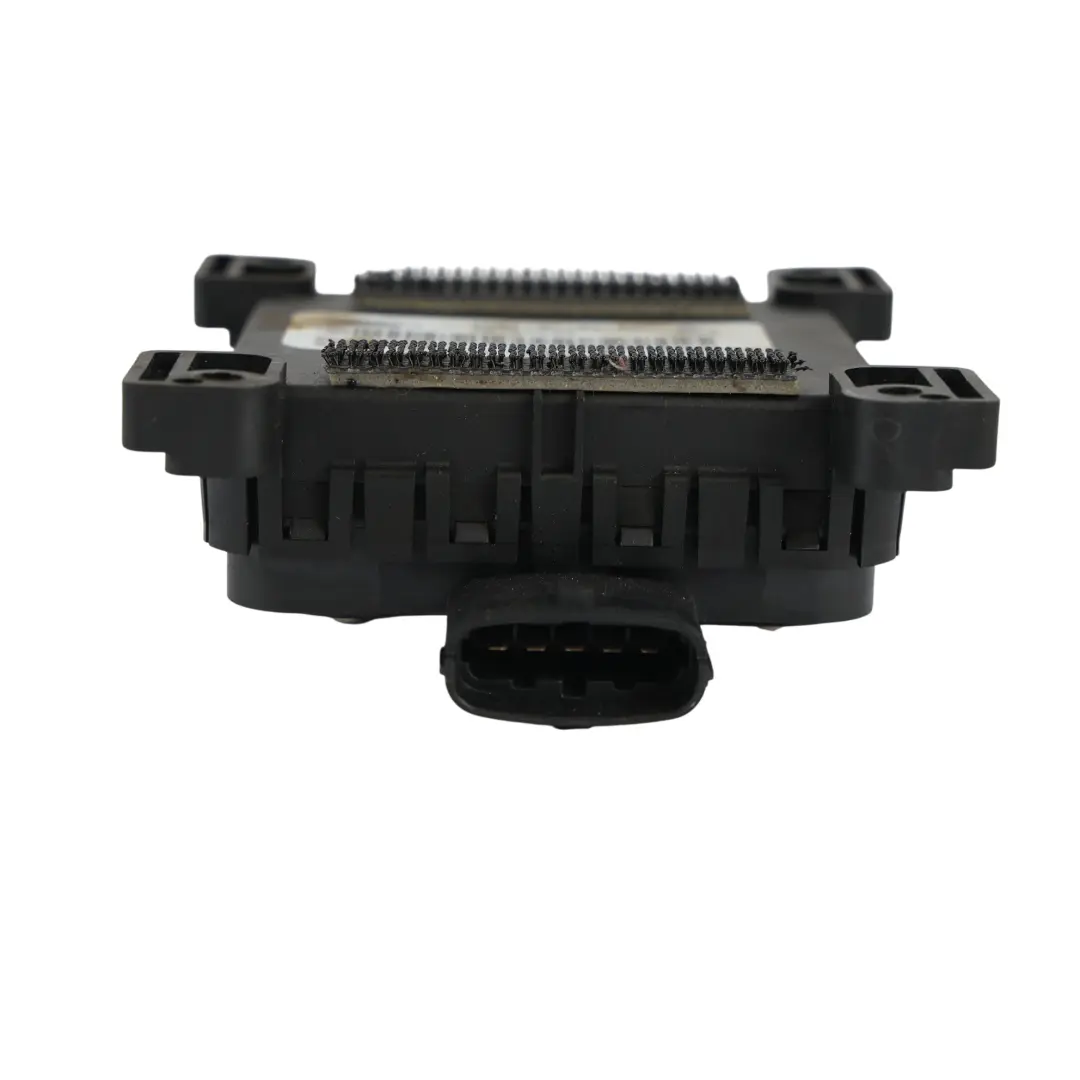
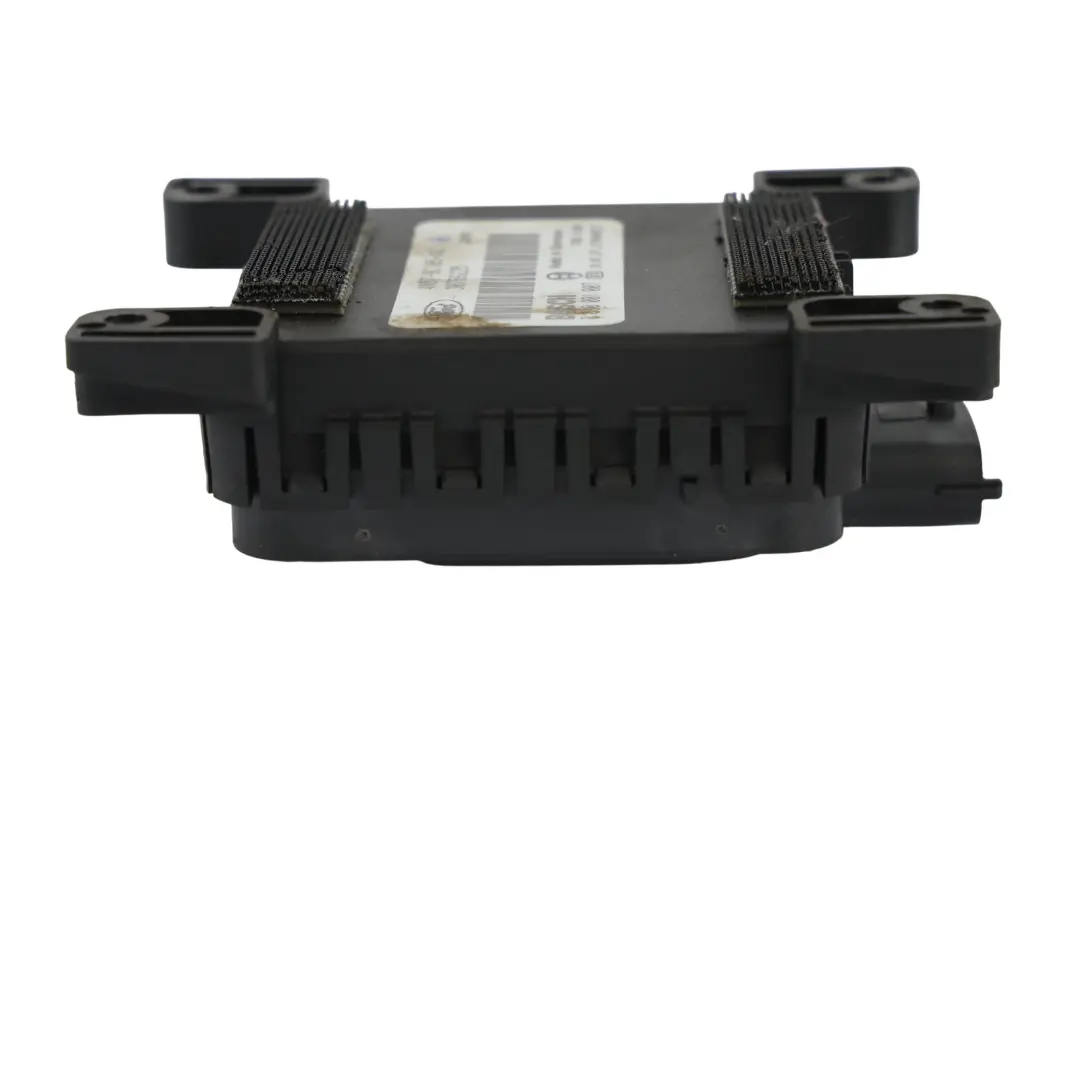
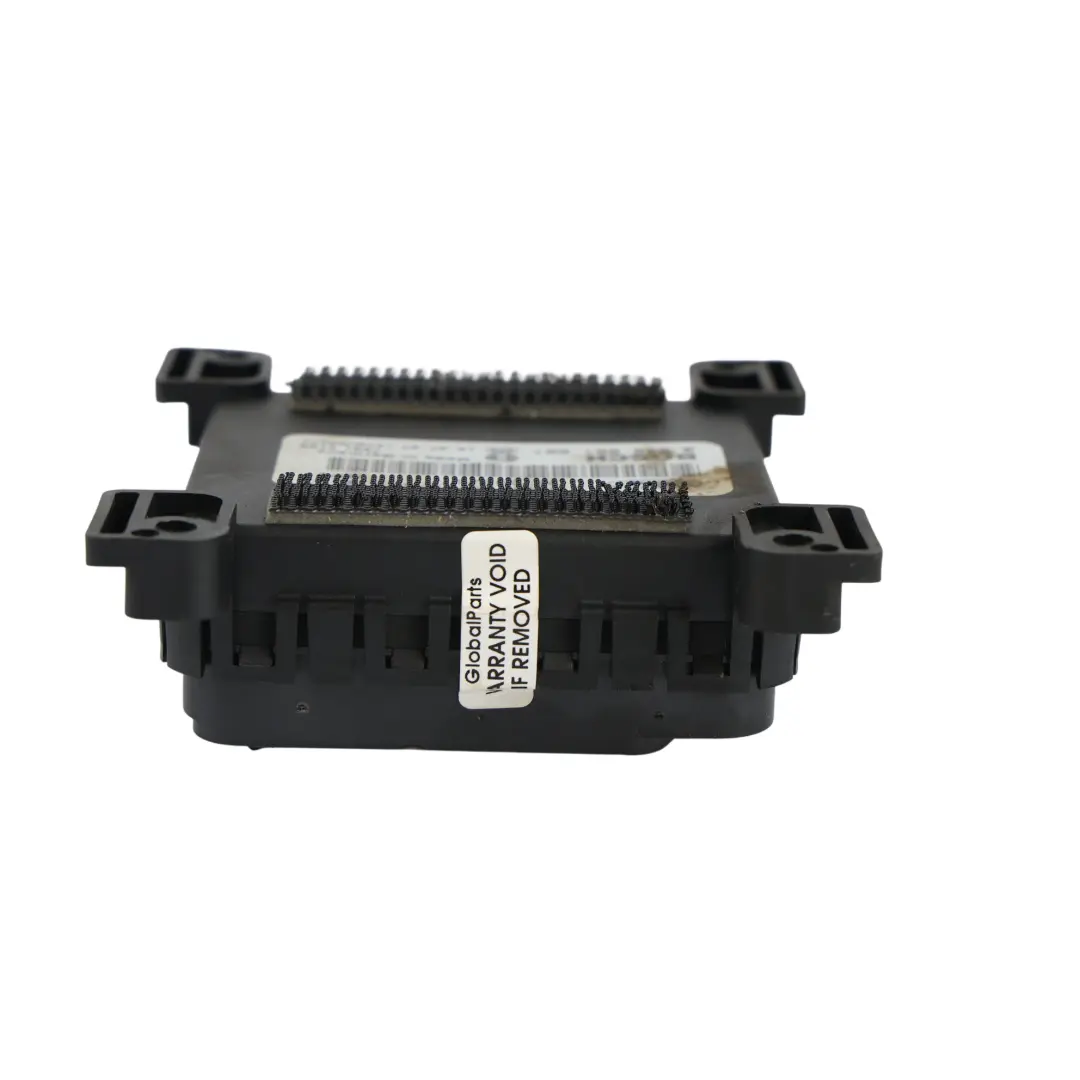
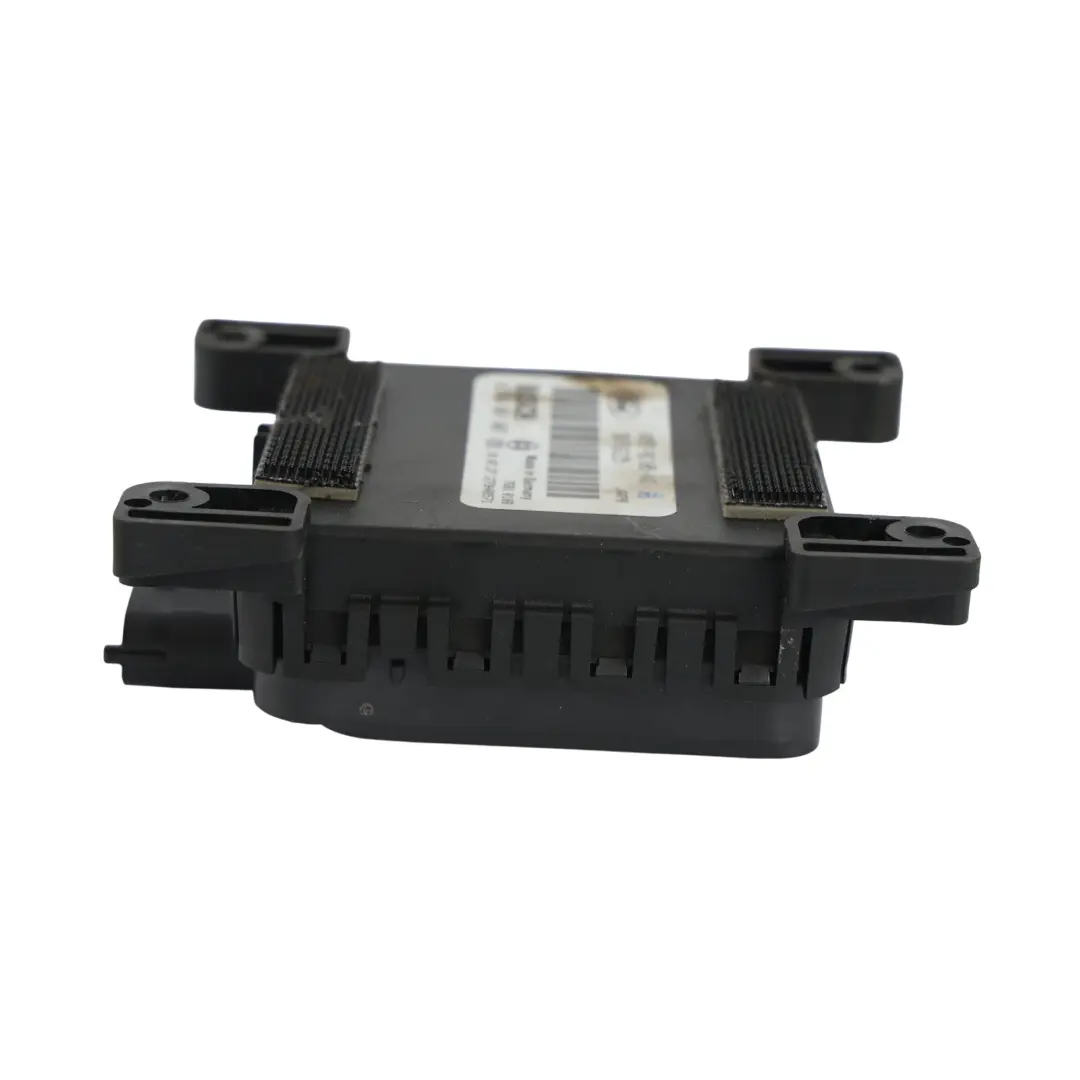
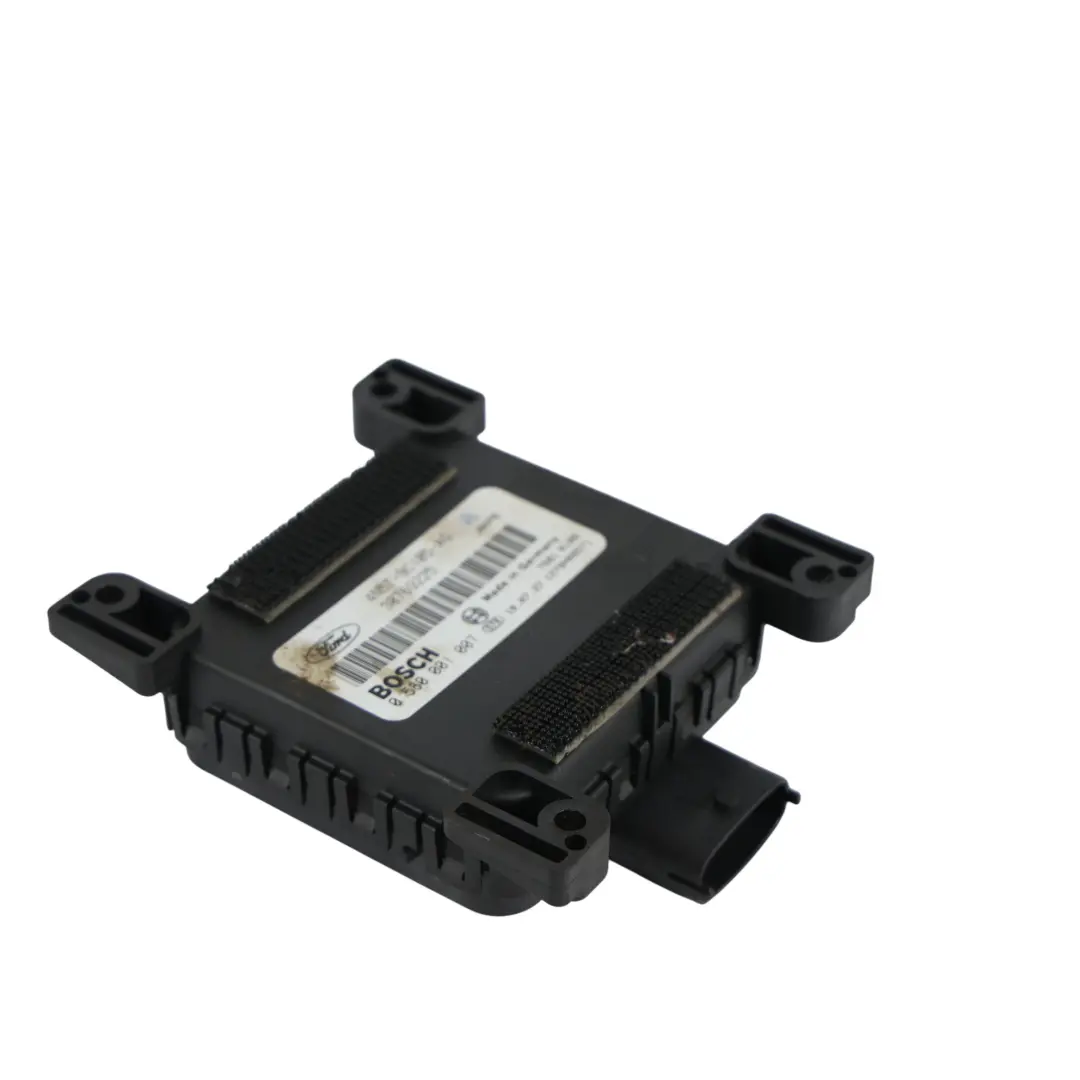
Ford Kuga Mk1 Fuel Injection Control Module Unit 4N5T-9C105-AG
SKU: 4N5T-9C105-AG
Product from a certified dismantling facility
Condition:
Used
Available:
0
Delivery time:
Product currently unavailable
Payment methods:







Returns:
60 days return for UK 30 days return for other countries
Delivery from:
£0.00
This part is currently not available. Leave your email and we will notify you when the product is available again.
Ford Kuga Mk1 Fuel Injection Control Module Unit is a component from the Electronic control modules and controllers category, responsible for the precise management of fuel delivery in the engine. A properly selected controller ensures stable engine operation, correct throttle response, and predictable vehicle behavior under various operating conditions. This solution is intended for users who want to restore the proper functioning of the fuel injection system while maintaining factory control logic.
Specifications and technical data
- SKU: 4N5T-9C105-AG
- Mark: Ford
- Condition: Used
- OEM Part Number: 4N5T-9C105-AG
- Substitutable numbers: 4N5T-9C105-AG, 4N5T9C105AG, 1681851
- Category: ECUs & Computer Modules
The role of the fuel injection control module
The fuel injection module in the Ford Kuga Mk1 is responsible for coordinating the operation of the injectors, interacting with engine sensors, and transmitting signals to other electronic vehicle systems. A properly functioning controller enables:
- maintaining stable idle speed,
- optimizing fuel dosage depending on load and driving conditions,
- cooperation with safety systems and on-board diagnostics.
As a result, the driver receives predictable engine performance and consistent operation of all related electronic systems.
Selection and compatibility with Ford Kuga Mk1
When replacing the fuel injection controller, it is crucial to match the component to the specific vehicle configuration. This model has been designed for use in the first-generation Ford Kuga, which facilitates integration with the existing electrical installation and the car's electronic architecture. Proper selection based on the OEM part number and interchangeable numbers allows for maintaining software and hardware consistency, thereby reducing the risk of communication problems between modules.
To better understand the principles of selecting used controllers and other vehicle electronic components, it is worth using a guide describing practical aspects of compatibility, selection by VIN and OEM, and installation issues: Used automotive electronics – a guide to selecting modules and sensors.
Component characteristics and practical application
As a part from the Electronic control modules and controllers category, this fuel injection controller is designed to operate in the demanding environment of the engine compartment, where it is exposed to temperature changes, vibrations, and humidity. The module's design takes these conditions into account, ensuring adequate mechanical resistance and electrical parameter stability. In practice, this means the ability to restore the proper operation of the injection system without the need to interfere with the electrical harness or change other components, provided that the selection was made in accordance with the manufacturer's markings.
The component will work well both for standard replacement of a damaged controller and for repairs resulting from communication problems in the vehicle network, fuel dosage control errors, or unstable engine operation under load.
Product condition and benefits of choosing a used module
The offered controller is in used condition, which allows for significantly reducing repair costs compared to purchasing a brand-new component. With proper verification and selection, such a module can ensure long-term, repeatable operation of the injection system while maintaining factory control parameters. This solution is particularly beneficial for complex electronics repairs, where both the economic aspect and technical compliance with the original vehicle configuration are important.
Expanding the control system in a Ford
If you are planning a comprehensive repair or upgrade of the engine area in your Ford and need other components from the same group, such as engine control modules, transmission controllers, or auxiliary system controllers, check out the available parts in the Ford electronic control modules and controllers category.
Summary of application in the Ford Kuga Mk1
Ford Kuga Mk1 Fuel Injection Control Module Unit is a practical solution for users who want to restore the proper functioning of the fuel injection system while maintaining factory control logic. A properly selected and correctly installed module allows for stabilizing engine operation, optimizing fuel consumption, and reducing the occurrence of diagnostic errors related to fuel delivery. Combined with professional diagnostics and proper selection based on manufacturer markings, it provides a solid foundation for effective repair of the control electronics in the first-generation Ford Kuga.
Delivery details
Ship to: United Kingdom
Check delivery times for another country
Delivery Price
Service
Postage and packaging
Service
Postage and packaging
Delivery time
Estimated delivery dates include sellers dispatch time, origin postcode,destination postcode and time of acceptance, and will depend on the postage service selected and receipt of cleared payment. Delivery times may vary, especially during peak periods.
Will usually dispatch within same working day if paid before 14:00 BST (excludes weekends and holidays). Expected dispatch time may vary and is based on sellers order cut-off time.
In the automotive store Global Parts, we offer fast and secure deliveries for our customers in United Kingdom, ensuring maximum compliance with local service standards. Each order is processed with the utmost attention, guaranteeing a fluid shopping process and a timely delivery. If you need assistance in choosing the right part, our team of consultants will be happy to help you find the right part for your vehicle and provide information on installation, availability and parameters of the selected components.