




Out of Stock
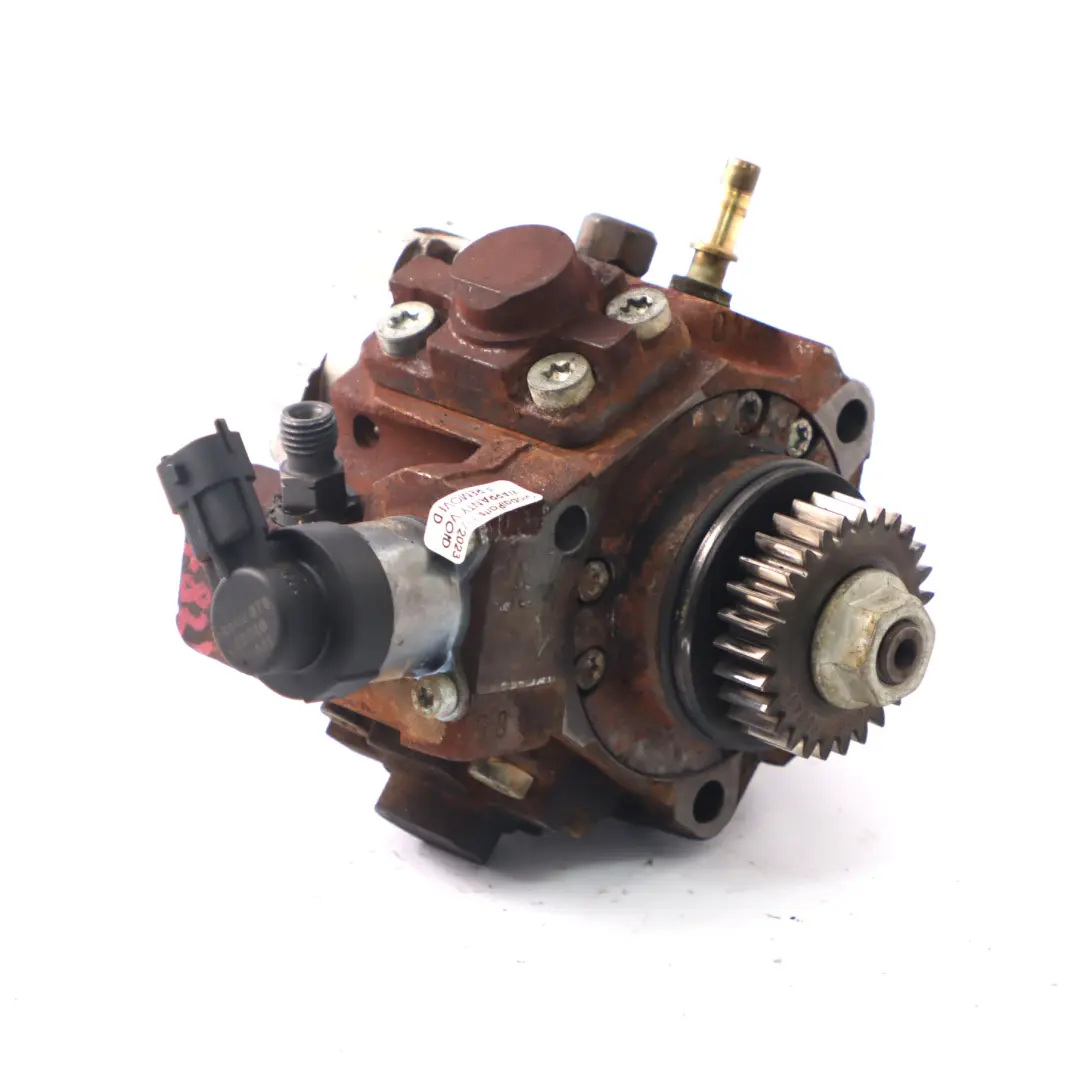
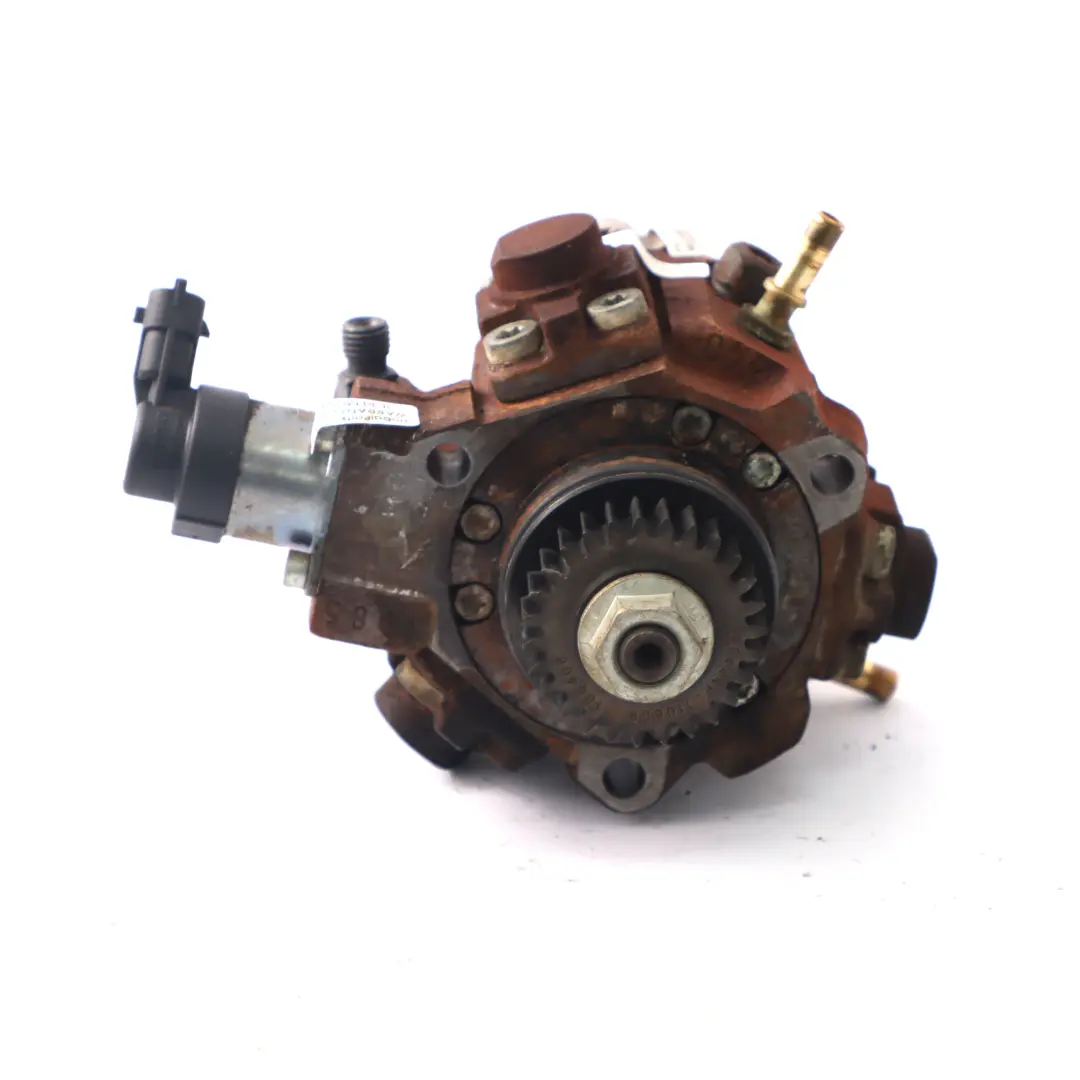
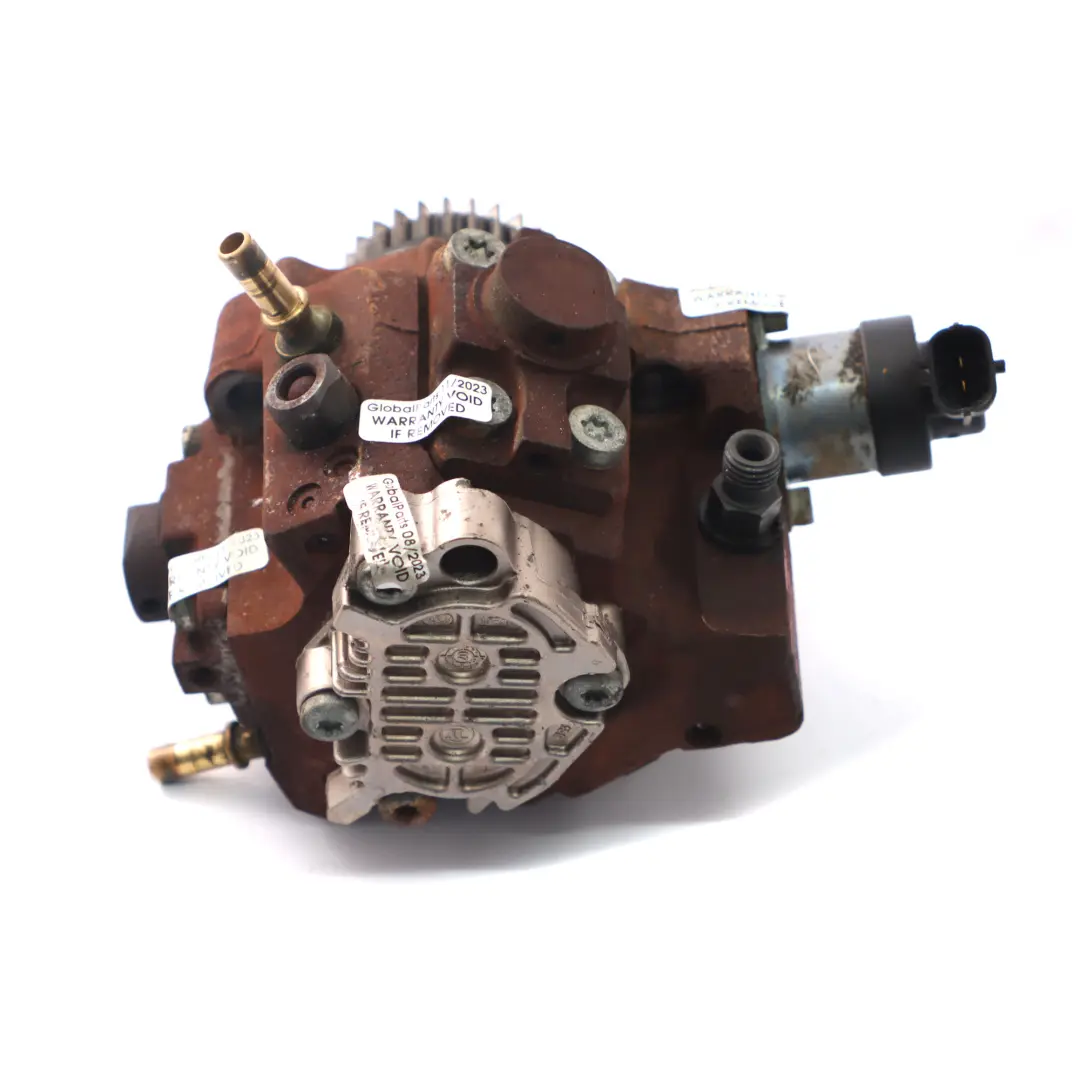
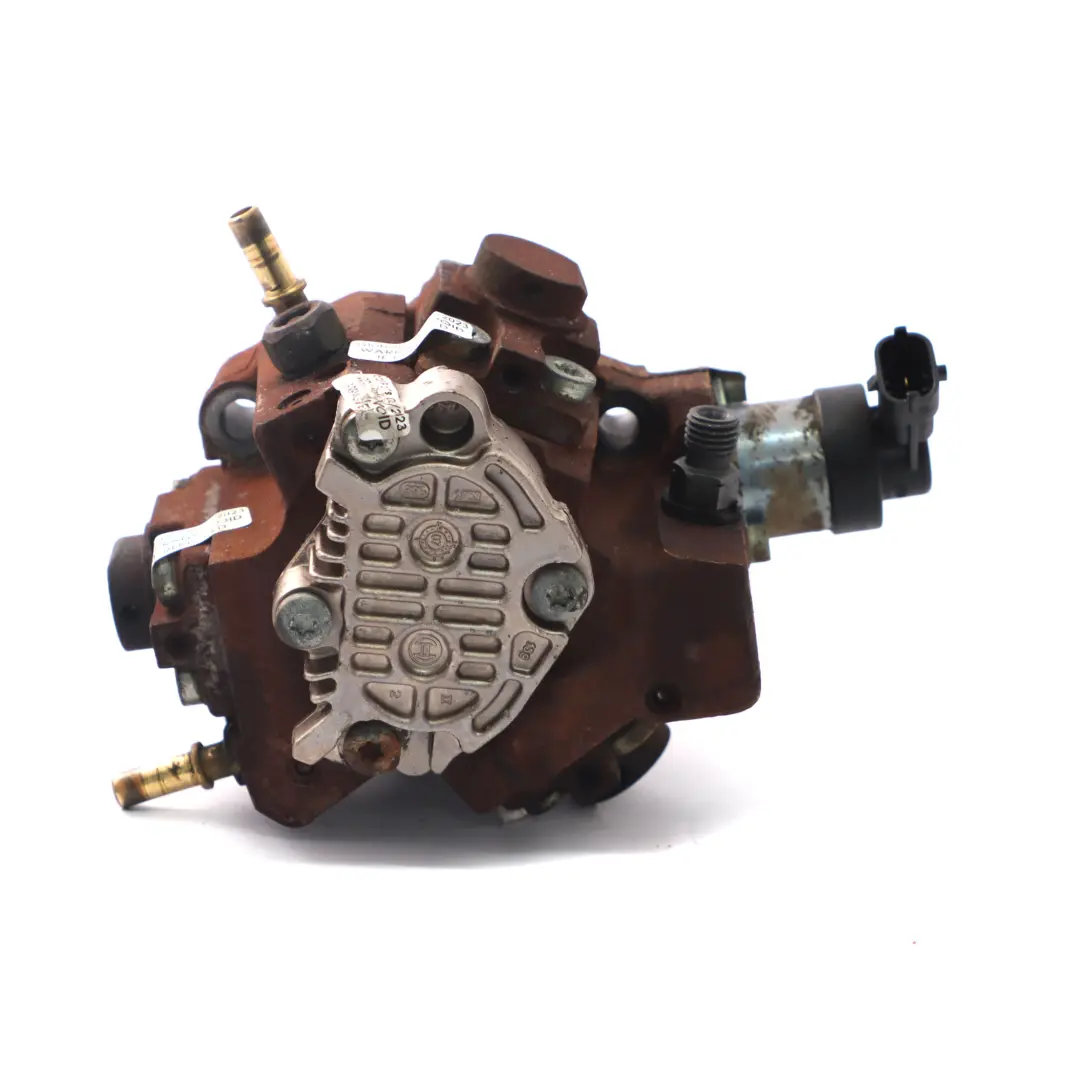
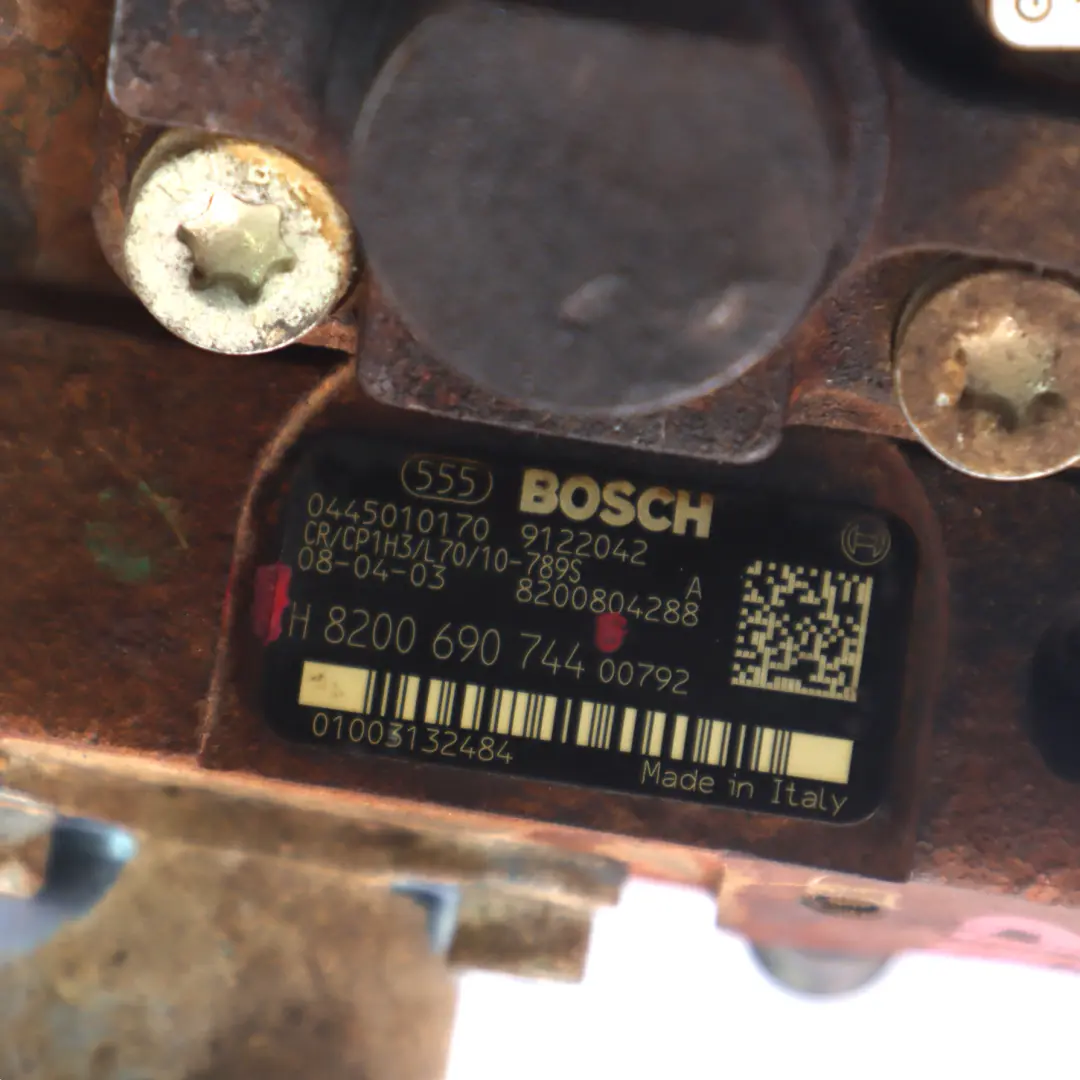
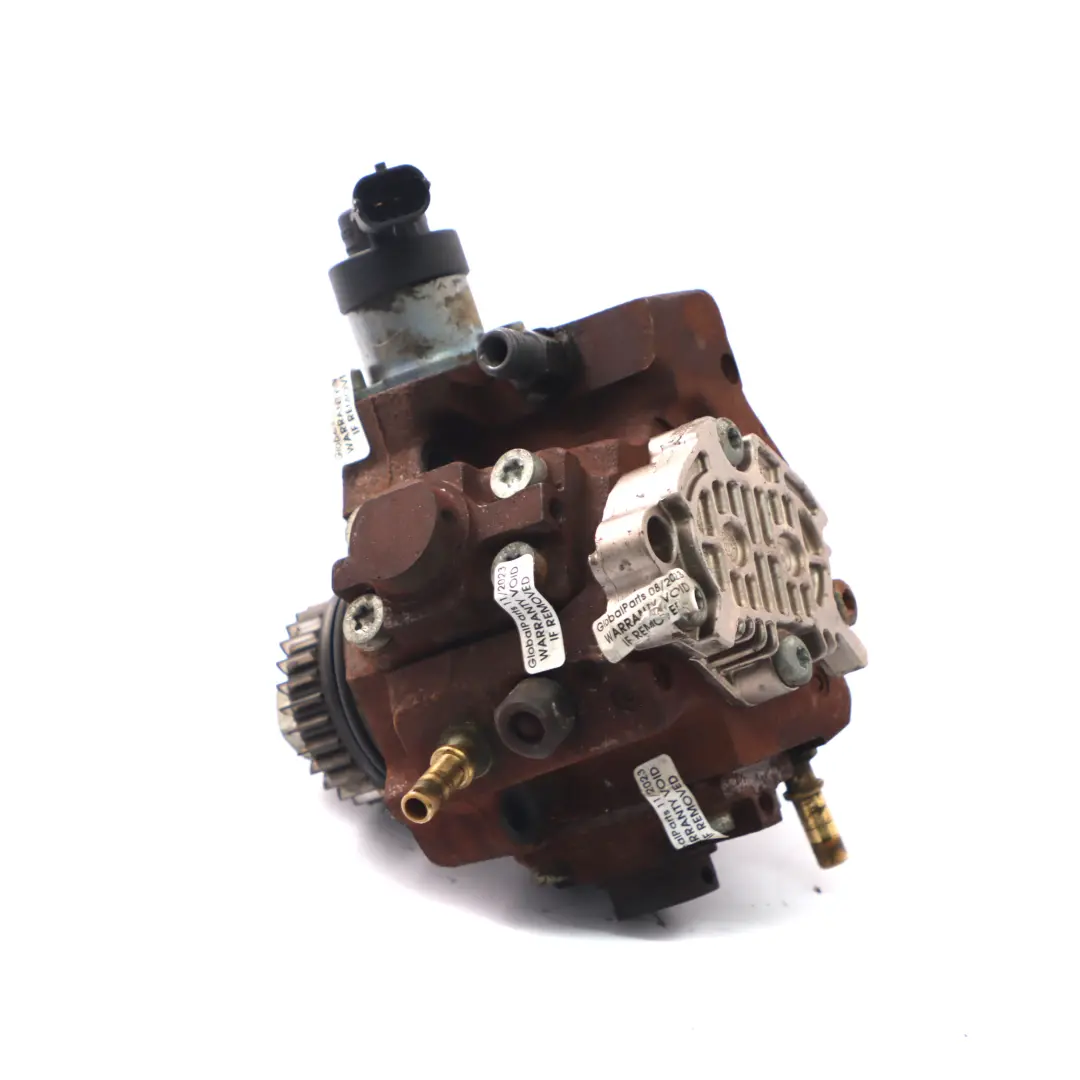
Renault Trafic II Vivaro A 2.0 DCi High Pressure Injection Fuel Pump 8200690744
SKU: 8200690744
Product from a certified dismantling facility
Condition:
Used
Available:
0
Delivery time:
Product currently unavailable
Payment methods:








Returns:
60 days return for UK 30 days return for other countries
Delivery from:
£0.00
This part is currently not available. Leave your email and we will notify you when the product is available again.
Renault Trafic II Vivaro A 2.0 DCi High Pressure Injection Fuel Pump is a used, original fuel system component for diesel engines, designed for vehicles powered by Diesel fuel. Thanks to its factory design, it ensures the correct fuel pressure for the injectors, stable engine operation, and proper interaction with the control electronics. This is a solution for users looking for parts with proven geometry and a perfect fit for a specific engine configuration.
Specifications and technical data
- SKU: 8200690744
- Mark: Renault
- Condition: Used
- OEM Part Number: 8200690744
- Substitutable numbers: 8200690744, 8200804288
- Fuel type: Diesel
- Tire profile: 65535
- Category: Fuel Pumps & Sending Units
Purpose and function in the fuel system
The described high-pressure fuel pump operates in the diesel engine fuel system, where it is responsible for the precise delivery of fuel under high pressure to the common rail and subsequently to the injectors. A correctly selected pump is crucial for:
- stable engine starting in various temperature conditions,
- maintaining smooth idling,
- proper dynamics during acceleration,
- reducing smoke and excessive fuel consumption.
Due to its compatibility with the design of 2.0 DCi / 2.0 CDTi units, the pump works seamlessly with the factory engine control unit, pressure sensors, and fuel system safety components.
Benefits of using an original high-pressure fuel pump
Using an original high-pressure fuel pump instead of a worn or damaged component allows for the restoration of correct fuel system operating parameters. The most important advantages include:
- Factory fitment for a specific engine type and equipment, without the need for installation modifications.
- Correct fuel pressure characteristics, which facilitates system diagnostics and calibration.
- Compatibility with existing vehicle injectors and fuel pressure sensors.
- The ability to use existing service procedures and catalog data during installation.
In the case of diesel units, a properly functioning high-pressure fuel pump has a direct impact on engine refinement, noise levels, and exhaust emissions, which is why its selection and technical condition are particularly important.
Technical characteristics and compatibility with the Diesel system
The pump belongs to the Fuel pumps and level sensors group, but in this case, it serves as a high-pressure element in the diesel engine injection system. The design is adapted for use with diesel fuel, which means appropriately selected seals, fit tolerances, and resistance to typical contaminants found in fuel.
The component has been designed to work with the engine control system used in the Renault Trafic II and structurally related models, which facilitates integration with the existing electrical and hydraulic installation. As a result, installation is limited to correctly connecting fuel lines and connectors, without the need to modify the vehicle's factory architecture.
Condition, installation, and service recommendations
The pump is offered as a used part, which allows for an economical repair of the fuel system while maintaining the original design. Before installation, it is recommended to:
- thoroughly clean the fuel lines and fuel filter,
- check the low and high-pressure system for leaks,
- bleed the system according to the service procedure for the specific model,
- verify operating parameters using computer diagnostics after starting the engine.
This approach minimizes the risk of contaminants entering the pump and allows for the quick detection of any irregularities in the fuel system's operation.
Selection, diagnostics, and technical knowledge
When selecting a high-pressure fuel pump for a specific vehicle, it is worth using the manufacturer's markings, catalog data, and information resulting from computer diagnostics. Procedures describing typical symptoms of wear, such as starting problems, power loss, or unstable idle, are also helpful.
To better understand the operation of the entire fuel system, including the interaction of the pump, injectors, and fuel tank, it is worth consulting the technical guide: Fuel system – injectors, pumps, and fuel tank: maintenance and regeneration. The article discusses diagnostics, component selection by catalog numbers, and operating principles, which facilitates informed repair planning.
If you are planning a comprehensive repair or upgrade of the fuel system area in your Renault and need other components from the same group, such as low-pressure pumps, fuel supply modules, or fuel level sensors, check the available parts in the Renault fuel pumps and level sensors category.
Delivery details
Ship to: United Kingdom
Check delivery times for another country
Delivery Price
Service
Postage and packaging
Service
Postage and packaging
Delivery time
Estimated delivery dates include sellers dispatch time, origin postcode,destination postcode and time of acceptance, and will depend on the postage service selected and receipt of cleared payment. Delivery times may vary, especially during peak periods.
Will usually dispatch within same working day if paid before 14:00 BST (excludes weekends and holidays). Expected dispatch time may vary and is based on sellers order cut-off time.
In the automotive store Global Parts, we offer fast and secure deliveries for our customers in United Kingdom, ensuring maximum compliance with local service standards. Each order is processed with the utmost attention, guaranteeing a fluid shopping process and a timely delivery. If you need assistance in choosing the right part, our team of consultants will be happy to help you find the right part for your vehicle and provide information on installation, availability and parameters of the selected components.